Disclosure: Some of the links in this article are affiliate links, which means I may earn a small commission if you make a purchase through them, at no additional cost to you. As a physical therapist, I only recommend products I personally use or believe can genuinely support health and wellness goals.
Walking is one of the best exercises for overall health, but after 40, strength training, mobility work, and proper recovery become essential for maintaining muscle, supporting metabolism, and staying active long-term.
If you’re over 40 and trying to improve your health, chances are you’ve heard that walking is one of the best things you can do for your body.
And that’s true.
Walking is simple, accessible, low-impact, and offers tremendous benefits for your heart, mood, and overall well-being.
But here’s what many people don’t realize:
Walking alone may not be enough to help you maintain strength, preserve muscle, support your metabolism, and stay active as you age.
As a physical therapist, I often encourage people to keep walking—but also to add a few other key habits that support long-term health and function.
Looking for a simple beginner-friendly plan? Check out my 7-Day Strength, Stability & Recovery Reset.
The Benefits of Walking
Walking provides many important benefits, including:
✔ Improved cardiovascular health
✔ Better circulation
✔ Increased daily movement
✔ Reduced stress
✔ Improved mood
✔ Better endurance
✔ Calorie expenditure
Walking is one of the best habits you can develop, especially if you’re just getting started with exercise.
What Changes After 40?
One of the biggest changes that occurs with aging is the gradual loss of muscle mass.
This process can begin as early as your 30s and accelerates as we get older.
Losing muscle can contribute to:
- Reduced strength
- Slower metabolism
- Poor balance
- Increased risk of injury
- Difficulty performing everyday activities
This is where walking alone starts to fall short.
What Walking Doesn’t Do Well
Walking is excellent for endurance.
However, it does not significantly challenge your muscles enough to:
Build Strength
Strong muscles support healthy movement and independence.
Preserve Muscle Mass
Maintaining muscle becomes increasingly important with age.
Improve Bone Density
Resistance training helps stimulate bone health.
Enhance Functional Strength
Everyday activities such as lifting groceries, climbing stairs, carrying luggage, and playing with grandchildren require strength.
What To Add To Your Routine
The good news?
You don’t need complicated workouts or hours in the gym.
I recommend focusing on four key areas.
1. Strength Training
Strength training helps:
✔ Maintain muscle mass
✔ Support metabolism
✔ Improve balance
✔ Increase bone health
✔ Make everyday activities easier
Aim for 2-3 strength training sessions per week.
Beginner-friendly exercises include:
- Squats
- Sit-to-stands
- Deadlifts
- Rows
- Overhead presses
- Core exercises
Recommended Equipment:
Shop My List of PT-Approved Home Gym Essentials
This is a link to a curated list of Doctor of Physical Therapy recommended tools to help you build strength, improve mobility, and create a simple, effective home workout space. These beginner-friendly essentials are equipment options I recommend for adults looking to start or continue exercising safely at home.
2. Mobility Training
Mobility helps your joints move efficiently and comfortably.
Simple mobility exercises may include:
- Leg swings
- Hip mobility drills
- Thoracic rotations
- Calf stretching
Even five minutes per day can make a difference.
3. Recovery
Recovery is often overlooked.
Recovery includes:
✔ Sleep
✔ Hydration
✔ Stress management
✔ Mobility work
✔ Recovery tools
Products I personally use:
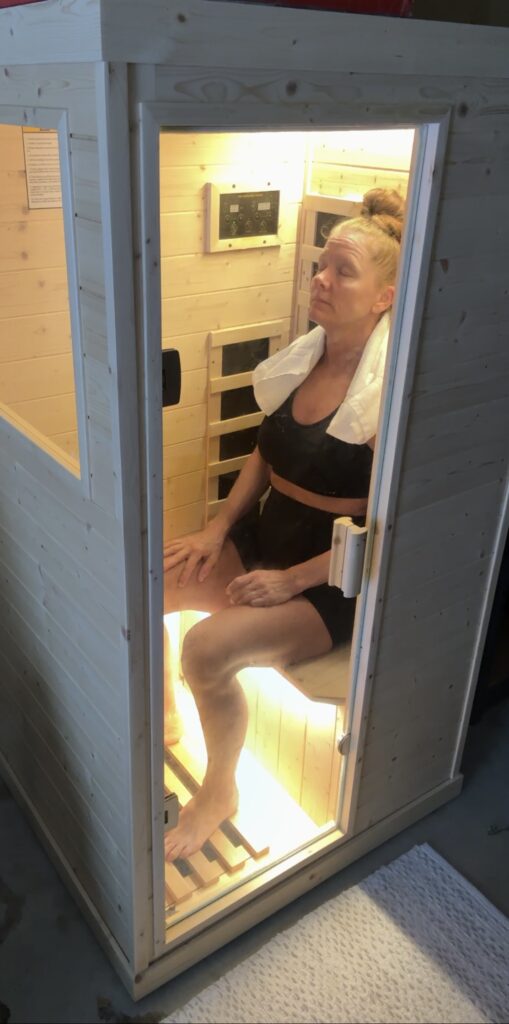
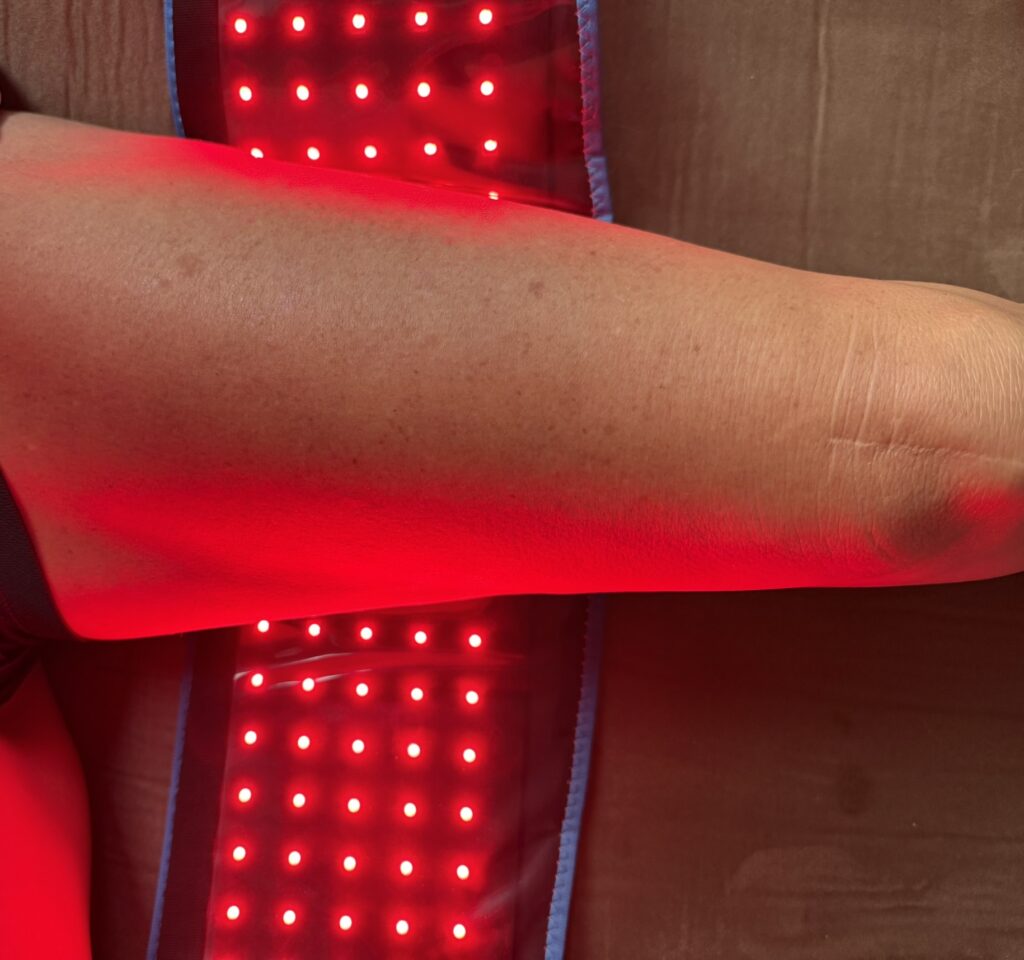
Using my personal red light therapy belt on a sore hamstring.
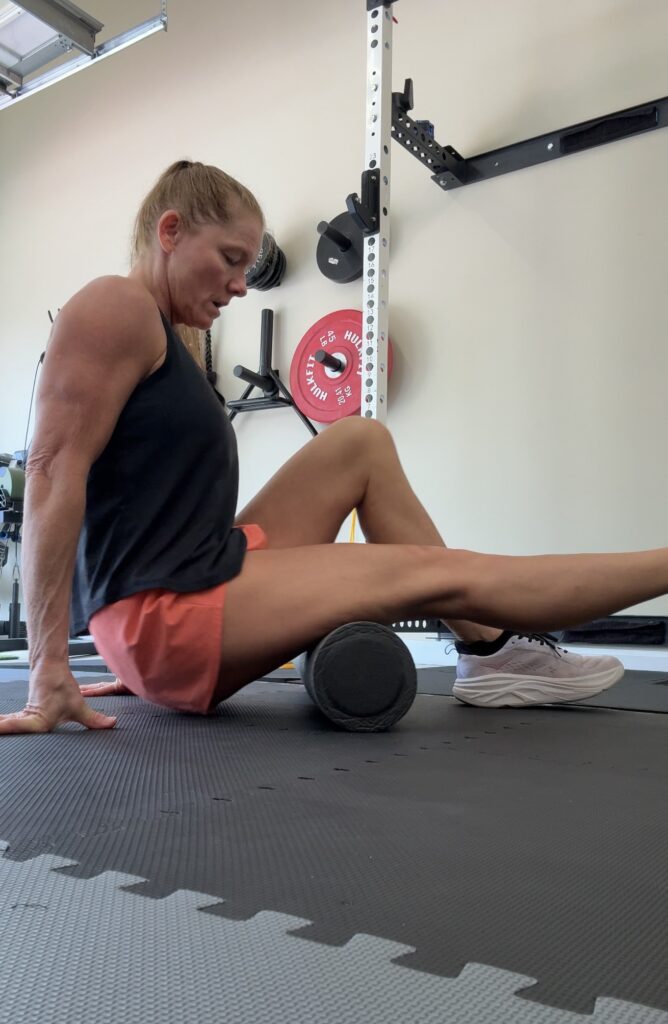
🧘 Shop My PT-Approved Mobility & Recovery Tools
Walking is one of the best habits you can build for your health, but a well-rounded movement routine includes more than just cardio. Mobility work and recovery strategies can help you stay consistent, move with confidence, and continue doing the activities you enjoy.
As a Doctor of Physical Therapy, I have spent years helping people improve movement, recover from injuries, and build routines they can maintain long term. I have curated my Amazon Storefront with mobility and recovery tools that I personally use and recommend to support an active lifestyle.
As an Amazon Associate and Amazon Influencer, I earn from qualifying purchases. Thank you for supporting Total Body Wellness at no additional cost to you.
4. Protein Intake
Many adults don’t consume enough protein to support muscle maintenance.
Protein helps:
✔ Muscle repair
✔ Recovery
✔ Satiety
✔ Healthy aging
Including protein with meals can help support your strength-training efforts.
A Simple Weekly Plan
Here’s an example:
Monday
Strength training
Tuesday
Walk
Wednesday
Strength training
Thursday
Walk
Friday
Strength training
Saturday
Walk + mobility
Sunday
Recovery
This balanced approach supports both cardiovascular health and strength.
The Bottom Line
Walking is one of the best exercises you can do.
But after 40, it’s only one piece of the puzzle.
For long-term health and wellness, consider combining walking with:
✔ Strength training
✔ Mobility work
✔ Recovery strategies
✔ Adequate protein
The goal isn’t to exercise harder.
The goal is to build a body that stays strong, active, and resilient for years to come.
Ready to get started?
My 7-Day Strength, Stability & Recovery Reset is designed specifically for adults who want to build strength, improve mobility, and create sustainable fitness habits without high-impact workouts.
👉 Start your reset today.
Pingback: Why Strength Training Matters After 40 – Total Body Wellness
Pingback: Fat Loss vs. Weight Loss: Why the Difference Matters After 40 – Total Body Wellness