This post may contain affiliate links. As an Amazon Associate, I earn from qualifying purchases at no additional cost to you. I only recommend products and resources that I genuinely use, trust, or believe may be helpful to my readers.
Strength training becomes increasingly important after 40. Learn how resistance training supports muscle mass, metabolism, bone health, balance, and healthy aging.
Why Strength Training Matters After 40
Many people believe strength training is only for athletes, bodybuilders, or younger adults.
The truth is that strength training becomes more important—not less important—as we age.
After 40, our bodies naturally begin to lose muscle mass and strength. This can affect everything from metabolism and balance to energy levels and everyday activities.
The good news is that it’s never too late to start.
As a physical therapist, I encourage adults to include strength training as part of a well-rounded wellness routine to help support long-term health, mobility, and independence.
What Is Strength Training?
Strength training is any form of exercise that challenges your muscles against resistance.
This can include:
- Dumbbells
- Resistance bands
- Bodyweight exercises
- Kettlebells
- Weight machines (I personally purchased Mikolo, Body Solid, and Torque machines and love them).
You don’t need a gym membership or heavy weights to benefit.
Simple exercises performed consistently can make a significant difference.
What Changes After 40?
One of the most important changes associated with aging is a gradual decline in muscle mass.
This process can begin as early as our 30s and continue over time.
Loss of muscle can contribute to:
- Reduced strength
- Slower metabolism
- Decreased balance
- Increased injury risk
- Difficulty with daily activities
Strength training helps combat these changes.
5 Benefits of Strength Training After 40
1. Helps Maintain Muscle Mass
Muscle plays an important role in movement, function, and overall health.
Strength training provides the stimulus needed to help maintain muscle as we age.
Maintaining muscle can support:
✔ Daily activities
✔ Mobility
✔ Confidence in movement
✔ Long-term independence
2. Supports Metabolic Health
Muscle tissue requires energy to maintain.
While strength training isn’t a magic solution, maintaining muscle can support overall metabolic health and complement healthy nutrition habits.
3. Supports Bone Health
Bones respond to the stresses placed upon them.
Weight-bearing and resistance exercises can help support bone health as part of an overall healthy lifestyle.
This becomes increasingly important as we age.
4. Improves Balance and Stability
Strong muscles help support balance and movement control.
This can help:
- Improve confidence during daily activities
- Support mobility
- Reduce the likelihood of falls
Balance and stability become increasingly important with age.
5. Makes Everyday Activities Easier
Strength training isn’t just about workouts.
It’s about life.
Strong muscles help with activities such as:
- Carrying groceries
- Climbing stairs
- Lifting laundry baskets
- Traveling with luggage
- Playing with children and grandchildren
The goal isn’t to become a bodybuilder.
The goal is to maintain the ability to do the things you enjoy.
Common Myth: “I Don’t Want to Get Bulky”
This is one of the most common concerns I hear.
For most adults, especially women, strength training does not automatically lead to large amounts of muscle mass.
Instead, strength training often helps improve:
- Strength
- Function
- Confidence
- Body composition
The focus should be on becoming stronger, not larger.
How To Start Strength Training
You don’t need a complicated program.
Start simple.
Aim for 2-3 strength training sessions per week and focus on basic movement patterns.
Examples include:
Lower Body
- Sit-to-stands
- Squats
- Step-ups
- Glute bridges
Upper Body
- Rows
- Overhead presses
- Bicep curls
Core
- Marches
- Bird dogs
- Standing core exercises
Consistency matters more than perfection.
Want a complete program that was created from a physical therapists perspective to help you move better, build strength, improve stability, and support long-term mobility? This is a beginner-friendly video guided system that combines practical exercises and recovery strategies into one structured program that can be followed at your own pace.
Start here 👇
Beginner Equipment Recommendations
You can create an effective home workout space with just a few basic pieces of equipment.
Recommended Equipment
💪 Shop My PT-Approved Strength & Stability Essentials
Strength training is one of the most effective ways to support healthy aging, maintain independence, and improve everyday movement. Whether you’re just getting started or returning to exercise, having the right equipment can make building a consistent routine much easier. I’ve curated my favorite strength and stability tools that I personally use and recommend to help you build confidence and stay active.
As an Amazon Associate and Amazon Influencer, I earn from qualifying purchases. Thank you for supporting Total Body Wellness at no additional cost to you.
Strength Training and Recovery
Exercise is only part of the equation.
Recovery matters too.
Make time for:
✔ Sleep
✔ Hydration
✔ Mobility work
✔ Recovery strategies
Supporting recovery can help you feel your best and stay consistent with your exercise routine.
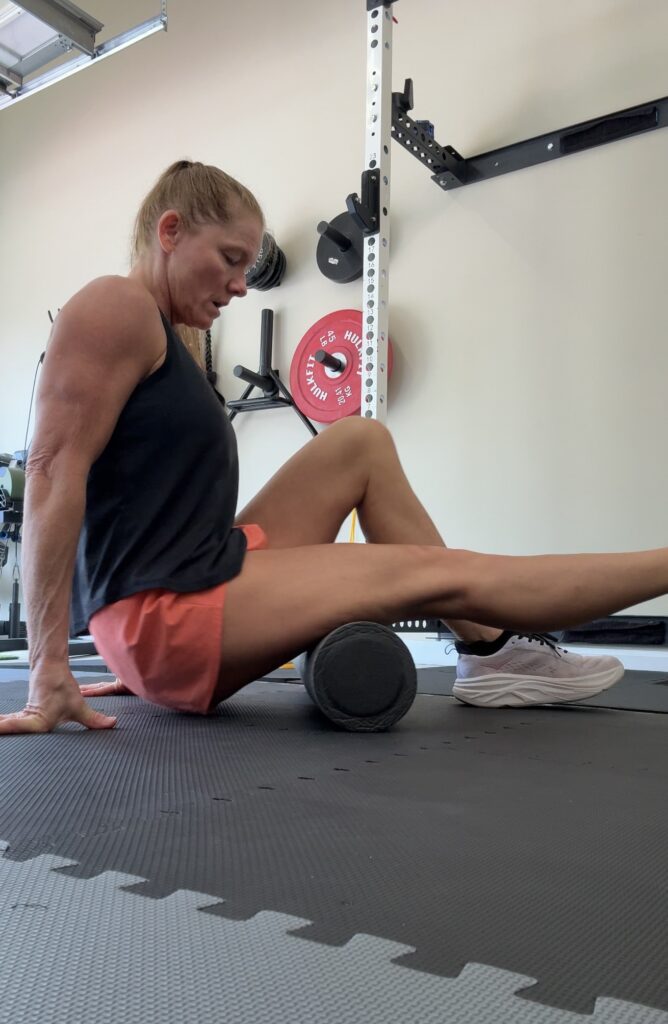
I personally use a home sauna, red light therapy, and a foam roller for assistance with recovery.
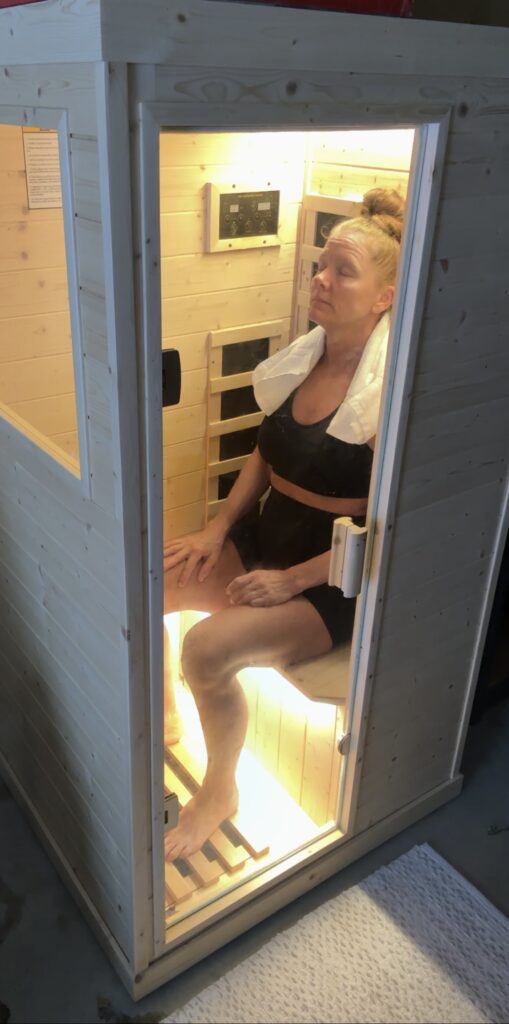
Using my personal sauna after a workout for recovery.
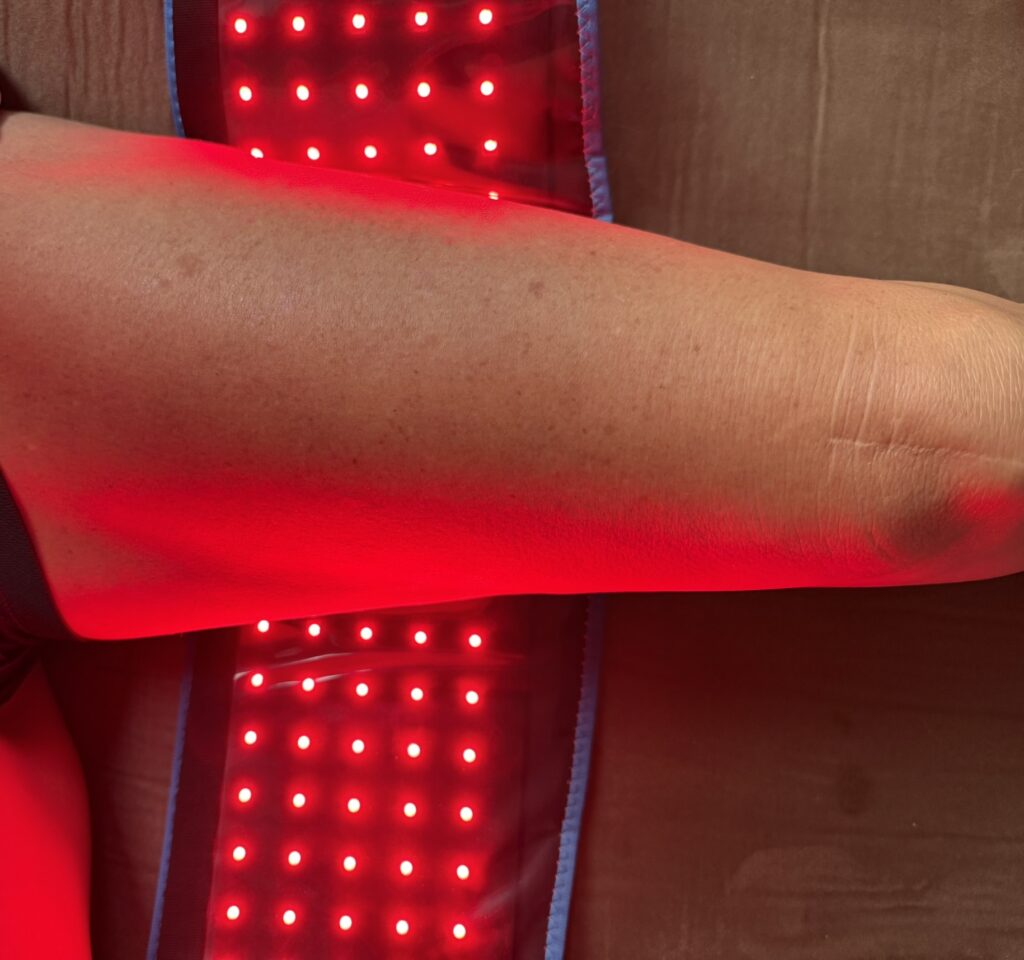
Using my personal red light therapy belt for a tight / sore hamstring.
The Bottom Line
Strength training is one of the most effective ways to support healthy aging.
You don’t need extreme workouts or hours in the gym.
A consistent strength-training routine can help support:
✔ Muscle maintenance
✔ Balance and stability
✔ Bone health
✔ Everyday function
✔ Long-term wellness
It’s never too late to start building strength.
Ready to Get Started?
Ready to build strength, improve mobility, and stay active after 40?
My Strong & Active After 40 program was designed to help you build strength, improve stability, and move with confidence using practical workouts and strategies that fit real life. ➡️ Start Strong & Active After 40 here.
If you’re looking for a simple, beginner-friendly plan, check out my 7-Day Strength, Stability & Recovery Reset designed to help adults build strength, improve mobility, and create sustainable wellness habits.
Click the link to learn Why Walking Alone Isn’t Enough After 40. Walking alone may not be enough to help you maintain strength, preserve muscle, support your metabolism, and stay active as you age.
Click to learn Why Protein Matters After 40. Protein plays a critical role in maintaining muscle, supporting recovery, promoting satiety, and supporting healthy aging after 40.
Pingback: Fat Loss vs. Weight Loss: Why the Difference Matters After 40 – Total Body Wellness
Pingback: Why Balance Training Matters After 40 (PT-Approved Guide) – Total Body Wellness
Pingback: Mobility vs. Flexibility: What’s the Difference and Why Does It Matter After 40? – Total Body Wellness
Pingback: Resistance Bands vs Dumbbells: Which Is Better After 40? – Total Body Wellness
Pingback: Why Core Strength Matters After 40: More Than Just Abs – Total Body Wellness
Pingback: Why Sleep Is Your Secret Fitness Tool: The Missing Piece of Recovery After 40 – Total Body Wellness
Pingback: Why Your Shoulder Hurts: A Physical Therapist’s Guide to Better Movement – Total Body Wellness
Pingback: How to Improve Your Posture After 40: A Physical Therapist’s Guide – Total Body Wellness
Pingback: Getting Up From the Floor Getting Harder? A Physical Therapist’s Guide to Strength, Mobility & Safe Recovery – Total Body Wellness
Pingback: Core Exercises: How to Progress From Beginner to Advanced – Total Body Wellness