Disclosure: Some of the links in this article are affiliate links, which means I may earn a small commission if you make a purchase through them, at no additional cost to you. As a physical therapist, I only recommend products I personally use or believe can genuinely support health and wellness goals.
As an Amazon Associate, I earn from qualifying purchases.
Protein plays a critical role in maintaining muscle, supporting recovery, promoting satiety, and supporting healthy aging after 40. Learn why protein matters and simple ways to include more in your daily routine.
If you’re over 40 and trying to improve your health, lose weight, build strength, or simply feel better, one nutrient deserves special attention:
Protein is often associated with bodybuilders and athletes, but the truth is that protein becomes increasingly important as we age.
As a physical therapist, I often encourage people to focus not only on exercise but also on proper nutrition. Strength training and movement are important, but your body also needs the building blocks to repair and maintain muscle.
That’s where protein comes in.
What Is Protein?
Protein is one of the three primary macronutrients, along with carbohydrates and fats.
Protein is made up of amino acids, which help support many functions throughout the body, including:
✔ Muscle repair
✔ Tissue maintenance
✔ Hormone production
✔ Immune function
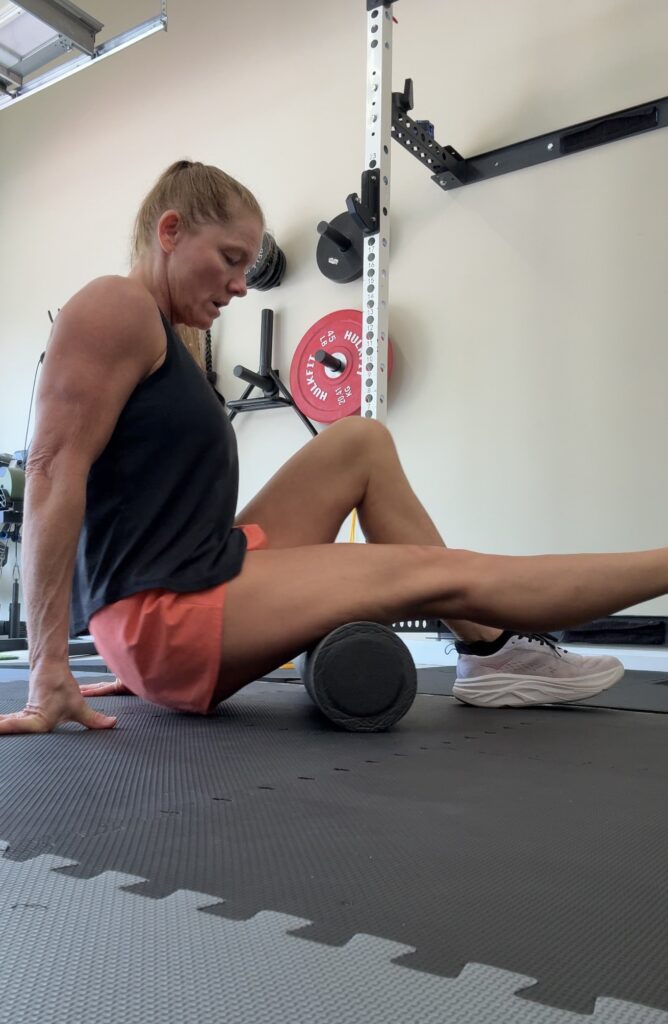
✔ Recovery from exercise. I personally use this Sauna , Red Light Therapy, and Foam Roller for recovery.

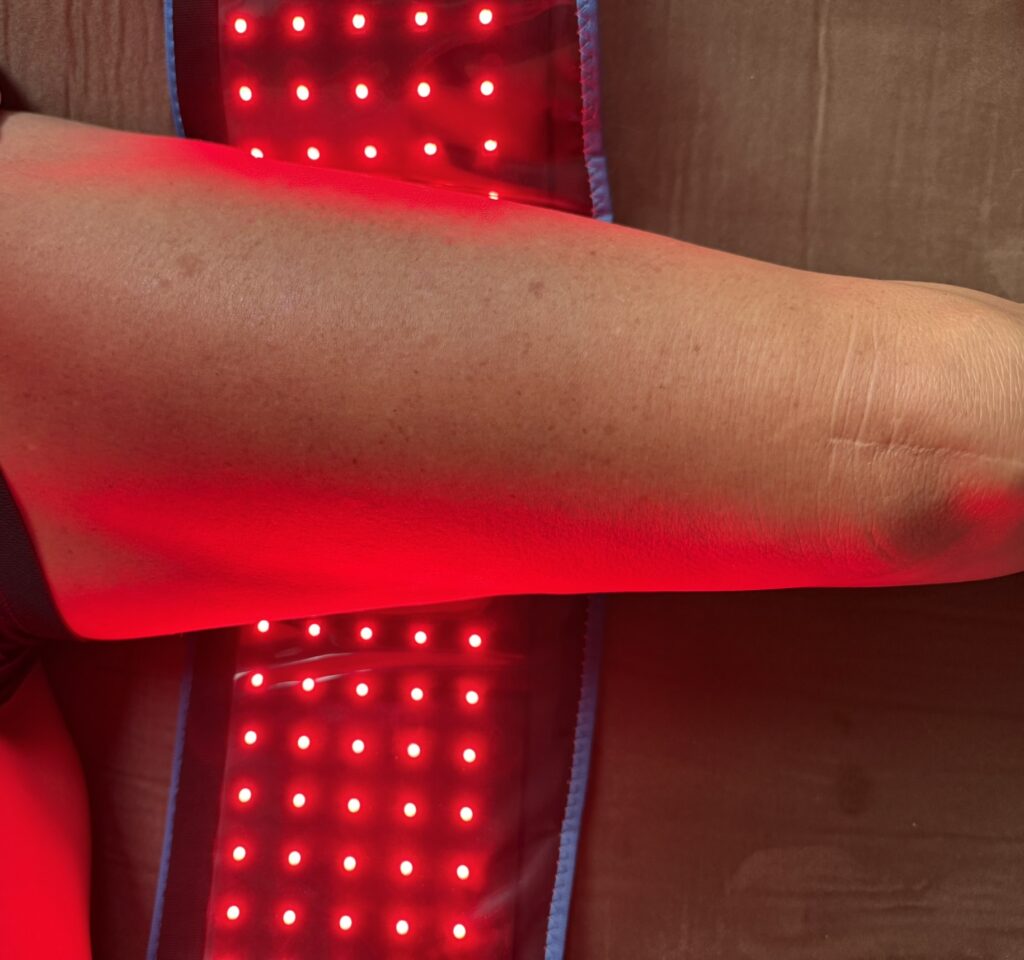
Using my personal red light therapy band for a sore hamstring.
Why Protein Needs Change After 40
One of the natural changes that occurs with aging is a gradual decline in muscle mass.
This process, known as age-related muscle loss, can begin as early as our 30s and continues over time if we don’t actively work to maintain muscle.
Loss of muscle can contribute to:
- Reduced strength
- Slower metabolism
- Poor balance
- Increased injury risk
- Difficulty with everyday activities
Protein, combined with regular strength training, helps support muscle maintenance as we age.
5 Reasons Protein Matters After 40
1. Supports Muscle Maintenance
Muscle is important for much more than appearance.
Strong muscles help support:
- Mobility
- Balance
- Daily activities
- Long-term independence
Strength training provides the stimulus, while protein provides the building blocks.
2. Helps Support Recovery
After exercise, your muscles need time and nutrients to recover.
Protein helps support:
✔ Muscle repair
✔ Recovery after workouts
✔ Continued progress from your training
Whether you’re lifting weights (Adjustable Dumbbell Set and Resistance Bands I recommend for strength training), walking, performing mobility exercises, or participating in a structured program, recovery matters.
3. Helps You Feel Fuller Longer
Protein tends to be more satisfying than many highly processed foods.
Including protein with meals may help:
- Reduce excessive snacking
- Support healthy eating habits
- Improve meal satisfaction
This can be particularly helpful for adults working toward weight management goals.
4. Supports a Healthy Metabolism
Muscle tissue requires energy to maintain.
When combined with strength training, maintaining muscle can help support overall metabolic health.
This is one reason strength training and adequate protein often work well together.
5. Supports Healthy Aging
Healthy aging isn’t just about living longer.
It’s about maintaining:
✔ Strength
✔ Mobility
✔ Energy
✔ Function
✔ Independence
Protein is one important piece of that puzzle.
Easy Protein Sources
Many people assume they need complicated meal plans to eat more protein.
They don’t.
Simple options include:
Animal-Based Sources
- Chicken breast
- Turkey
- Lean beef
- Fish
- Eggs
- Greek yogurt
- Cottage cheese
Plant-Based Sources
- Beans
- Lentils
- Edamame
- Tofu
- Tempeh
Simple Ways To Increase Protein Intake
Try these practical strategies:
Add Protein To Breakfast
Examples:
- Eggs
- Greek yogurt
- Cottage cheese
- Protein smoothie. I personally use the Nutribullet Ultra Personal Blender or these Hydra Cup Shaker bottles for protein shakes.
Include Protein At Every Meal
Aim to include a protein source with:
- Breakfast
- Lunch
- Dinner
- Snacks
Plan Ahead
Preparing protein-rich foods in advance can make healthy choices easier during busy weeks. I personally use this Digital Food Scale so that I can keep track of my macros.
A Simple Example
Instead of:
❌ Toast alone
Consider:
✅ Eggs and toast
Instead of:
❌ Crackers alone
Consider:
✅ Greek yogurt and fruit
Small changes can add up over time.
Protein and Exercise Work Together
Exercise and nutrition are not separate.
They work together.
Strength training challenges your muscles.
Protein helps support the recovery and maintenance of those muscles.
That’s why I encourage adults over 40 to focus on both movement and nutrition rather than viewing them as separate goals.
The Bottom Line
Protein becomes increasingly important as we age.
Combined with strength training, mobility work, recovery, and healthy habits, adequate protein can help support:
✔ Muscle maintenance
✔ Recovery
✔ Satiety
✔ Metabolic health
✔ Healthy aging
You don’t need a perfect diet.
You simply need consistent habits that support your long-term wellness goals.
Ready To Build Strength and Healthy Habits?
If you’re looking for a simple, beginner-friendly plan, check out my 7-Day Strength, Stability & Recovery Reset designed to help adults build strength, improve mobility, and create sustainable wellness habits.
👉 Start your reset today.
Pingback: Fat Loss vs. Weight Loss: Why the Difference Matters After 40 – Total Body Wellness
Pingback: Why Strength Training Matters After 40 – Total Body Wellness
Pingback: Why Sleep Is Your Secret Fitness Tool: The Missing Piece of Recovery After 40 – Total Body Wellness