That doesn’t mean your body suddenly stops recovering after 40—it means that recovery habits become increasingly important for supporting the activity and training you want to maintain.
This post may contain affiliate links. As an Amazon Associate, I earn from qualifying purchases at no additional cost to you. I only recommend products and resources that I genuinely use, trust, or believe may be helpful to my readers.
Recovery becomes increasingly important after 40. Learn how sleep, mobility, strength training, hydration, and recovery tools can help you move better, feel stronger, and stay active.
Many people believe the secret to feeling better is simply exercising more.
But after 40, recovery becomes just as important as the workout itself.
If you’ve ever felt like:
- Your joints stay sore longer
- Your workouts take more out of you
- Your body feels stiff when you get out of bed
- Small aches and pains linger for days
you’re not alone.
As a physical therapist, I often see people focus entirely on exercise while overlooking the habits that actually help the body adapt and recover.
Strength training provides the stimulus for your body to adapt, while recovery gives your body the time and resources it needs to respond to that training. Recovery isn’t simply taking a day off—it’s the combination of sleep, nutrition, hydration, appropriate movement, and allowing your body enough time between challenging activities.
Recovery Is More Than Rest
When most people hear the word recovery, they think about taking a day off.
Recovery is much bigger than that.
It includes:
- Sleep quality
- Hydration
- Nutrition
- Stress management
- Mobility work
- Walking and light movement
- Heat therapy
- Consistent exercise habits
These factors influence how your muscles, joints, and nervous system respond to training and everyday life.
Strength Training and Recovery Work Together
One of the biggest mistakes I see is people trying to exercise harder while ignoring recovery.
More exercise is not always the answer.
In many cases, better recovery helps people:
- Feel less stiff
- Move more comfortably
- Improve workout performance
- Maintain consistency
- Reduce burnout
The goal is not to train harder every day.
The goal is to train consistently for years.
My Personal Recovery Routine
Recovery is something I prioritize in my own wellness routine.
A few things I focus on include:
- Regular strength training
- Daily movement
- Mobility work
- Hydration
- Quality sleep
- Infrared sauna sessions several times per week
- Red light therapy as needed for recovery and injury management
I find that recovery habits help me feel better, maintain my activity level, and continue training consistently.
⭐ Shop My PT-Approved Recovery & Mobility Tools
Recovery does
Recovery is one of the most important investments you can make in your long-term health and mobility. As a physical therapist, I’ve spent years helping people recover from injuries, surgeries, and everyday aches and pains. These are many of the recovery and mobility tools I personally use and recommend to help me stay active and moving well. If you’re looking to build your own recovery routine, explore my curated Amazon Storefront for my favorite recovery essentials.
As an Amazon Associate and Amazon Influencer, I earn from qualifying purchases. Thank you for supporting Total Body Wellness at no additional cost to you.
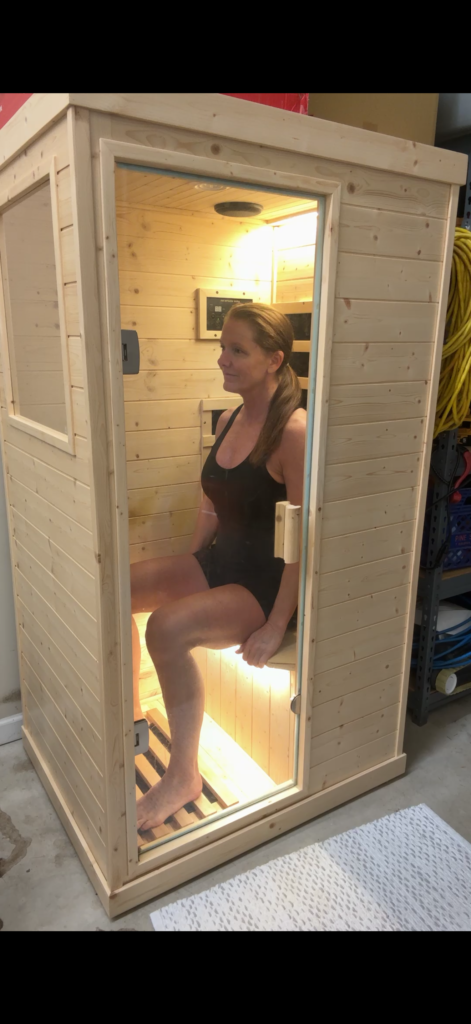
Why I Use an Infrared Sauna
One recovery tool I use regularly is my infrared sauna.
Many people use infrared saunas as part of a relaxation and recovery routine because of the gentle heat. For me, sauna sessions are a simple way to slow down, unwind, and feel more relaxed after busy days and workouts.
I consider my sauna a recovery and relaxation tool—not a treatment for an injury or medical condition. I still prioritize sleep, hydration, regular movement, and strength training as the foundation of my recovery routine.
👉 Check out the infrared sauna I use.
Always follow the manufacturer’s instructions and talk with your healthcare professional if you have medical conditions or concerns about whether sauna use is appropriate for you.
Why I Use Red Light Therapy
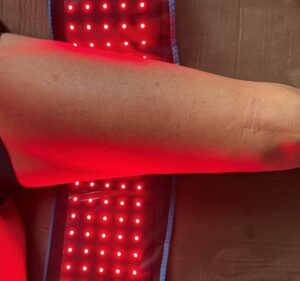
Another recovery tool I use periodically is a red light therapy belt.
I personally use it as part of my broader recovery routine, particularly when I feel like I need some additional downtime and recovery after exercise or physical activity. I view it as a complementary wellness tool rather than a replacement for the fundamentals of recovery.
My approach is to prioritize the basics first: quality sleep, regular movement, hydration, appropriate strength training, and adequate recovery between challenging workouts. Tools like red light therapy can be an optional addition to that routine, but they aren’t a substitute for addressing an injury or getting appropriate medical care when needed.
👉 Check out the red light therapy belt I use Lifepro Red Light Therapy Belt
If you’re considering red light therapy for a specific medical condition or injury, talk with an appropriate healthcare professional about whether it’s right for you.
How I Use Electrical Stimulation During Recovery
After my total knee replacement, electrical stimulation (often called e-stim) was one of the tools I used during my rehabilitation process. One of the biggest challenges after surgery is reactivating the muscles, especially the quadriceps, which can become inhibited after joint procedures.
E-stim works by delivering gentle electrical impulses to help stimulate muscle contractions while you actively engage in rehabilitation exercises. In my experience, it was a helpful way to support early muscle activation and rebuild strength during the initial phases of recovery.
I also found it helpful as part of my rehabilitation routine during the early stages of recovery, when movement and exercise were being gradually reintroduced.
Electrical stimulation isn’t appropriate for everyone, and its use depends on the individual, the type of device, and the reason it is being used. If you’re considering e-stim for an injury or medical condition, consult your healthcare professional for individualized guidance and follow the device manufacturer’s instructions.
It’s important to remember that electrical stimulation is not a stand-alone solution. It works best when combined with consistent movement, guided exercise, and a structured recovery plan.
My approach: Recovery tools like electrical stimulation are most effective when they support active rehabilitation—not replace it.
Why I Use a Massage Gun
After workouts or long days on my feet, I use mine as part of my recovery routine when areas feel tight or overworked. I find it convenient for self-massage and a simple way to spend a few minutes focusing on areas that feel tense.
As a physical therapist, I view a massage gun as a recovery aid—not a cure-all. It won’t replace strength training, mobility work, or proper recovery habits, but it can be a helpful addition to a well-rounded routine.
I commonly use mine on:
- Glutes
- Quadriceps
- Hamstrings
- Calves
- Upper back and shoulders
Avoid using a massage gun directly over an acute injury, significant swelling, areas of altered sensation, or other areas where percussion may not be appropriate. When in doubt, ask a healthcare professional whether it is appropriate for your situation.
My Tip: Use a massage gun to complement movement, stretching, and recovery—not as a substitute for them.
My Personal Recovery Toolbox
Recovery doesn’t have to be complicated. The tools I use most often include walking, strength training, quality sleep, my infrared sauna, massage gun, red light therapy, and occasional electrical stimulation when appropriate. No single tool is magic, and recovery tools aren’t a substitute for addressing an injury or medical condition. For me, they are simply additions to the fundamentals: walking and regular movement, strength training, quality sleep, hydration, and allowing enough time to recover between challenging activities.
The Bottom Line
After 40, success is not about pushing harder.
It’s about balancing:
- Strength
- Movement
- Recovery
When these three pieces work together, it becomes easier to stay active, feel stronger, and maintain long-term wellness.
Recovery is not a reward for exercise.
Recovery is part of the plan.
Ready for a Beginner Plan?
Recovery works best when combined with a simple, low-impact home workout plan designed to help you build strength, improve mobility, and feel more confident moving again—without overwhelming workouts or equipment. The 7-Day Beginner Strength, Stability & Recovery Reset program that I created is the perfect place for you to start your wellness journey.
Ready for a More Complete Plan?
If you’re ready to go beyond individual workouts and build a more consistent approach to strength, mobility, stability, and recovery, my Strong & Active After 40 program was designed to help you do exactly that.
This PT-designed system combines mobility, strength, stability, and recovery strategies to help you build a stronger foundation for staying active and feeling confident in your body. It’s designed for adults who want a structured approach to fitness without overwhelming workouts or unnecessary complexity.
Ready to build strength, improve mobility, and stay active for the long term?
→ Explore Strong & Active After 40 | PT-Designed Mobility, Strength, Stability & Recovery System
PT-Approved Home Gym Workout Essentials
When starting a fitness routine at home, it can feel overwhelming, especially if you’re not sure what equipment you actually need. Check out Best Home Gym Equipment for Beginners for a guide of what equipment to start with for a home exercise program.
Pingback: Mobility vs. Flexibility: What’s the Difference and Why Does It Matter After 40? – Total Body Wellness
Pingback: Why Sleep Is Your Secret Fitness Tool: The Missing Piece of Recovery After 40 – Total Body Wellness
Pingback: Why Your Shoulder Hurts: A Physical Therapist’s Guide to Better Movement – Total Body Wellness
Pingback: Getting Up From the Floor Getting Harder? A Physical Therapist’s Guide to Strength, Mobility & Safe Recovery – Total Body Wellness
Pingback: Why Your Knee Still Hurts (Even After Rest) – Total Body Wellness