Walking is one of the best forms of exercise after 40. It’s low impact, easy to start, and can improve heart health, strength, energy levels, and overall wellness. But many people eventually hit a plateau and wonder:
“I’m walking consistently…so why aren’t I seeing the results I expected?”
The good news is that you don’t have to run, jump, or do intense workouts to increase your results. Small changes can make a big difference.
Here are simple PT-approved ways to make your walking routine more effective.
This post may contain affiliate links. That means I may earn a small commission if you purchase through these links, at no additional cost to you. I only recommend products and tools that I personally use, trust, or believe may help support your strength, mobility, and wellness goals.
1. Improve Your Walking Posture
Poor posture can reduce efficiency and contribute to neck, shoulder, and low back discomfort.
Try these posture cues:
• Stand tall
• Keep shoulders relaxed
• Look ahead instead of down
• Engage your core gently
• Allow natural arm swing
Small posture improvements can make walking feel easier and more effective.
2. Add Short Speed Intervals
You don’t need to sprint.
Try:
- Walk comfortably for 2 minutes
- Increase pace for 1 minute
- Recover for 2 minutes
Repeat 4–6 rounds.
Intervals can increase intensity while keeping the workout low impact.
3. Use Incline Strategically
Incline walking helps increase workload without increasing impact.
Benefits may include:
• Greater glute activation
• Increased hamstring involvement
• Higher calorie expenditure
• Increased cardiovascular challenge
Start with a mild incline and progress gradually.
4. Wear Supportive Walking Shoes
Your feet are your foundation.
Proper walking shoes can improve:
• Comfort
• Stability
• Joint support
• Walking consistency
The best shoe is one that feels supportive and comfortable for your body and walking style.
5. Consider a Light Weighted Vest
A light weighted vest may increase overall workload while maintaining a walking pattern.
Start conservatively and progress gradually.
Avoid heavy loading too soon.
6. Increase Daily Movement, Not Just Workouts
Your overall daily movement matters.
Park farther away.
Take short walking breaks.
Walk while talking on the phone.
Use stairs when possible.
Small habits often create long-term results.
Walking Pad vs. Treadmill: Which Is Better?
If you’re walking at home, you may be wondering whether a walking pad or a treadmill is the better choice. The answer depends less on “which is best” and more on how you plan to use it.
Treadmills can be a great option if you want:
✔ Structured workouts
✔ Adjustable speed and incline
✔ More exercise variety
✔ A higher intensity walking session
Home treadmill recommendations depending on your needs:
Walking pads can be a great option if you want:
✔ Simple daily movement
✔ A compact space-saving option
✔ Under-desk walking while working
✔ An easy way to increase step count
Walking pad recommendations depending on your needs :
As a physical therapist, I often encourage people to focus on consistency first. The best piece of equipment is often the one that fits naturally into your lifestyle and actually gets used regularly.
Helpful Walking Upgrades
No matter which option you choose, small additions can help make your walking routine more comfortable and effective: These are all items I personally use and recommend.
✔ Supportive walking shoes: Hoka Womens Clifton 10, Brooks, ASICS
✔ A lightweight weighted vest: See my beginner friendly options. Weighted vest, Weighted vest
✔ Phone/tablet holder: Tablet holder, Tablet / Book holder, MagSafe phone holder
✔ Resistance bands for strength training: Resistance bands long, Resistance bands shorter for leg and glute work
✔ Recovery tools like massage devices or foam rollers: Theragun Massage Gun, Foam roller
👟 Shop My PT-Approved Walking & Low-Impact Cardio Essentials
Walking is one of the simplest and most effective ways to support your health as you age, but having the right tools can make it easier to stay consistent and enjoy the process. As a Doctor of Physical Therapy, I focus on practical strategies that help adults build strength, improve confidence, and stay active for life.
I have curated my Amazon Storefront with walking and low-impact fitness essentials that I personally use and recommend, including supportive walking shoes, walking equipment, resistance tools, and beginner-friendly fitness gear to help you get more out of your routine.
As an Amazon Associate and Amazon Influencer, I earn from qualifying purchases. Thank you for supporting Total Body Wellness at no additional cost to you.
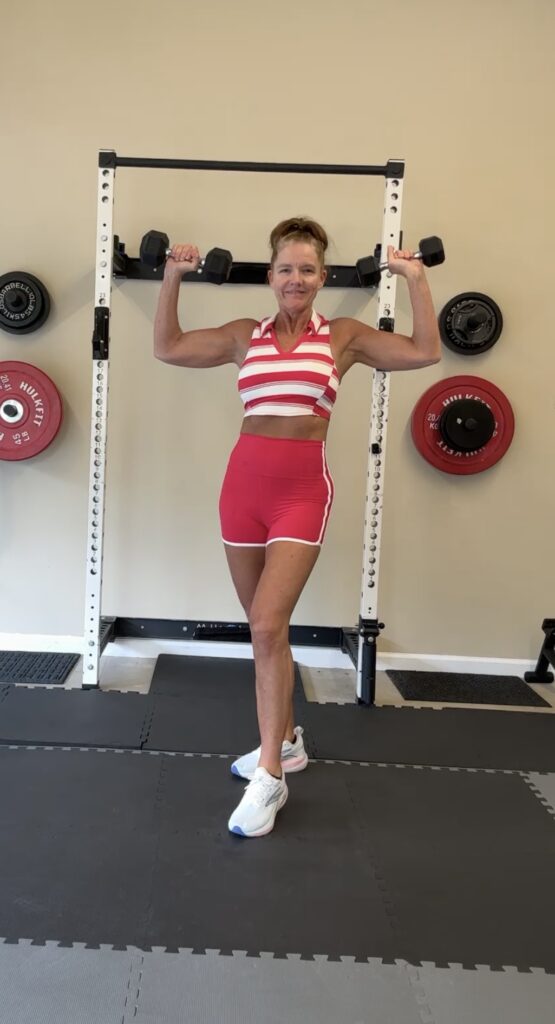
7. Add Strength Training
Walking and strength training work extremely well together.
Even two short strength sessions each week can support:
• Muscle maintenance
• Balance
• Bone health
• Metabolism
Final Thoughts
Walking after 40 doesn’t have to become harder to become more effective.
Focus on small upgrades:
✔ Better posture
✔ Intervals
✔ Incline
✔ Supportive shoes
✔ Strength training
✔ Consistency
Progress usually comes from improving habits rather than doing extreme workouts.
Save this guide and start with one upgrade this week.
Ready for your next step?
Grab my PT-Approved Home Gym Starter Kit for beginner-friendly equipment recommendations and simple workout ideas, or explore my beginner strength programs designed to help you stay strong and active.
Want to Build Strength Along With Your Walking Routine?
Walking is excellent for heart health, endurance, and daily movement, but adding even a small amount of strength training can help support muscle, balance, bone health, and long-term mobility after 40.
That’s exactly why I created Strong & Active After 40 — a beginner-friendly program designed to help you build strength without high-impact workouts or complicated routines.
Inside you’ll find:
✔ Simple guided workouts
✔ PT-inspired movement strategies
✔ Beginner-friendly exercises
✔ A sustainable approach for staying active
If you’re ready to move beyond just walking and create a stronger foundation for long-term wellness, explore the Strong & Active After 40 program.
Walking is a great starting point. Building strength is what helps you stay active for the long run.
Ready to build strength alongside your walking routine? Explore Strong & Active After 40.
As an Amazon Associate, I earn from qualifying purchases.
Pingback: Getting Up From the Floor Getting Harder? A Physical Therapist’s Guide to Strength, Mobility & Safe Recovery – Total Body Wellness