By Kristi Baxley, PT, DPT
As a licensed Doctor of Physical Therapy and Amazon Associate, I earn from qualifying purchases at no additional cost to you. I only recommend products I’ve personally used, prescribed, or believe may be helpful.
Is Your Home Helping—or Hurting—Your Balance?
When most people think about preventing falls, they think about improving their strength or balance. While those are both important, there’s another piece of the puzzle that’s often overlooked: your home environment.
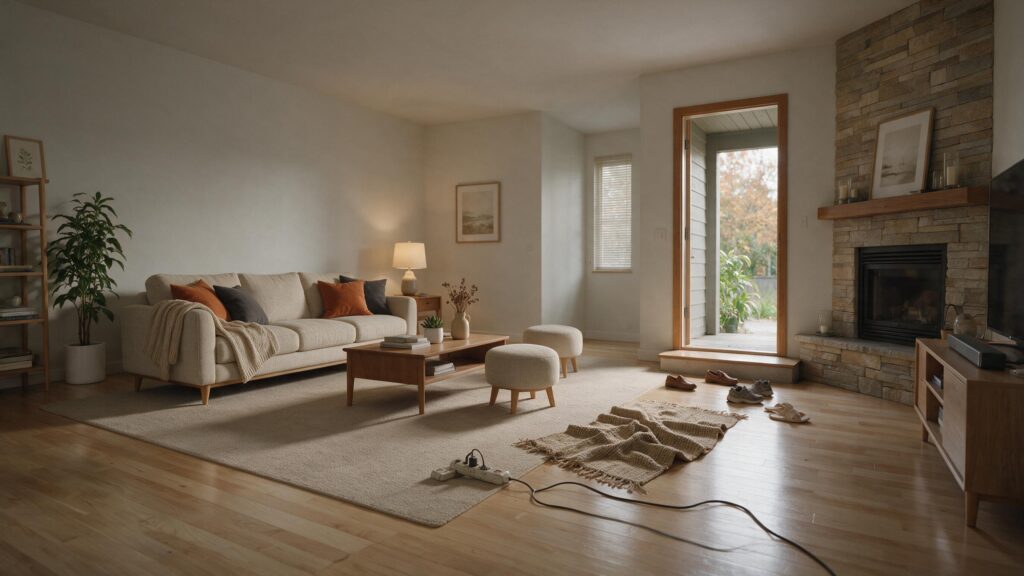
As a Physical Therapist, I’ve seen many falls happen not because someone suddenly became weak, but because they tripped over a loose rug, slipped on a wet bathroom floor, or couldn’t see where they were walking in the dark.
The good news?
Many of these hazards are easy to identify and inexpensive to fix.
By making a few simple changes throughout your home, you can reduce your risk of falls, improve confidence, and make everyday movement feel safer.
Here’s my PT-approved 10-point home safety checklist.
Why Home Safety Matters
Falls don’t just happen to older adults.
Anyone can lose their balance when unexpected hazards challenge the body’s ability to react. Even if you’re strong and active, a cluttered walkway, poor lighting, or slippery floor can quickly turn a simple misstep into an injury.
Think of your home as part of your wellness plan.
The goal isn’t to make your house look like a hospital—it’s to remove unnecessary obstacles so your balance, strength, and reaction time can do their job.
1. Secure or Remove Throw Rugs
Throw rugs are one of the most common tripping hazards I see.
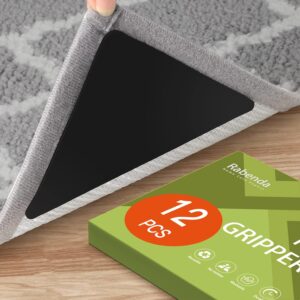
If you choose to keep them, secure them with non-slip rug grippers or heavy-duty carpet tape. If a rug frequently slides, bunches up, or curls at the edges, it’s safest to remove it altogether.
PT Tip: If your foot can catch on it, it can become a fall hazard.
2. Clear Your Walking Paths
Take a look at the routes you use every day.
Shoes, pet toys, extension cords, laundry baskets, footstools, and other clutter can become unexpected obstacles—especially if you’re carrying groceries or walking in dim lighting.
Keeping pathways clear makes moving through your home safer and easier.
3. Fix Uneven Flooring
Pay attention to flooring transitions between rooms.
Loose carpet edges, raised thresholds, cracked flooring, or curled vinyl can easily catch your foot.
A small repair today may prevent a much bigger problem tomorrow.
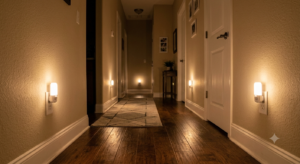
4. Improve Nighttime Lighting
Many falls happen during nighttime trips to the bathroom.
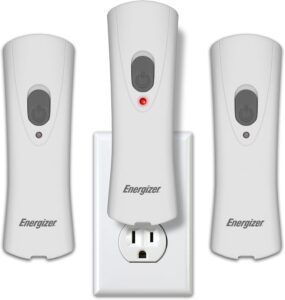
Motion-activated nightlights are an inexpensive way to improve visibility without turning on bright overhead lights.
Place them:
- Along the hallway
- Near bathrooms
- At the top and bottom of stairs
- In bedrooms
Good lighting gives your brain more information to help maintain balance.
5. Make Steps Easier to See
Even a single step can become difficult to judge in poor lighting.
Consider adding high-contrast tape to stair edges or single-step transitions to improve depth perception and visibility.
This is especially helpful for homes with dark flooring or patterned carpet.
6. Reduce Glare
Too much glare can make it difficult to judge depth and identify obstacles.
Replace harsh exposed bulbs with softer lighting and reduce reflections from shiny flooring whenever possible.
The goal is bright, even lighting throughout your home.
7. Make Your Bathroom Safer
Bathrooms combine water, smooth surfaces, and frequent transfers, making them one of the highest-risk areas for slips and falls.
Simple improvements include:
- Non-slip mats inside the shower or tub
- A rubber-backed bath mat outside the shower
- Cleaning up standing water promptly
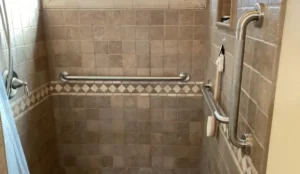
- Installing grab bars where needed
These small changes can make a big difference.
8. Install Proper Grab Bars
Grab bars provide a stable handhold when getting in and out of the shower or standing from the toilet.
Be sure they’re securely anchored into wall studs.
Important: Towel bars, shower doors, and suction-cup grab bars are not designed to support your body weight.
9. Check Your Stair Railings
Whenever possible, stairways should have sturdy handrails that extend the full length of the staircase.
Use the handrail every time—even if you feel steady.
Balance can change quickly if you’re carrying something or become distracted.
10. Store Everyday Items Within Easy Reach
Frequently used items should be stored between waist and shoulder height whenever possible.
This reduces unnecessary bending, squatting, climbing, and reaching overhead—all of which can challenge your balance.
Reserve high shelves for items you rarely use.
PT Tip: Try a Nighttime Home Safety Audit
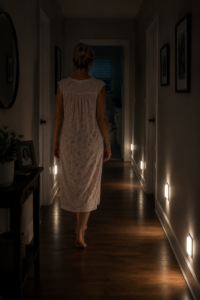
Here’s a simple challenge I often recommend.
Tonight, walk the route from your bedroom to the bathroom using only your nightlights.
Ask yourself:
✅ Can I clearly see where I’m walking?
✅ Are there cords, rugs, or clutter in my path?
✅ Would I feel comfortable making this trip if I were tired or half asleep?
You’ll often notice hazards that aren’t obvious during the day.
Home Safety Is Only One Piece of Fall Prevention
Creating a safer home is an excellent first step, but it’s only part of staying active and independent.
Improving your balance, strengthening your legs and core, wearing supportive footwear, and staying physically active all work together to reduce fall risk and improve confidence.
The best results come from combining smart exercise with a safer environment.
PT-Recommended Home Safety Essentials
Making your home safer doesn’t have to be expensive. These are a few products I often recommend to patients looking to reduce common fall hazards and improve confidence at home.
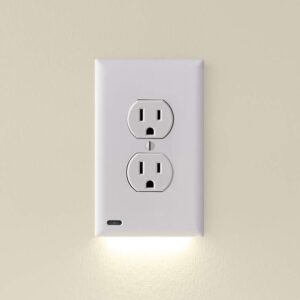
Motion-Activated Night Lights
Help illuminate hallways, bedrooms, and bathrooms without the need to turn on bright overhead lights.
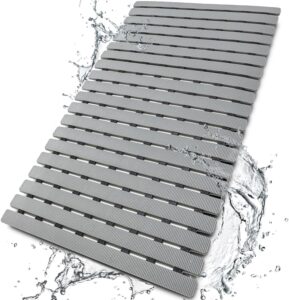
Non-Slip Shower Mat
Provides additional traction inside the shower or bathtub to reduce the risk of slipping.
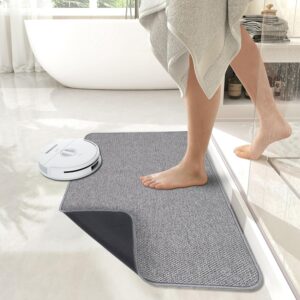
Rubber-Backed Bath Mat Non-Slip
Helps absorb water while staying securely in place outside the shower.
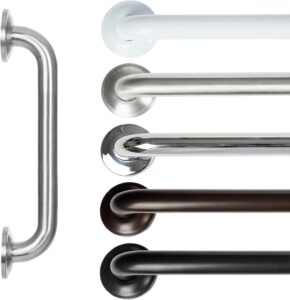
Wall-Mounted Grab Bars
Offer a sturdy handhold for getting in and out of the shower or standing from the toilet.
Rug Grippers or Carpet Tape
Keep throw rugs securely in place to reduce tripping hazards.
Reacher Tool
Makes it easier to retrieve lightweight items from high shelves or the floor without excessive bending or climbing.

LED Flashlight
Useful during power outages or when navigating dark areas of the home.
Continue Your Healthy Aging Journey
Why Balance Training Matters After 40
Balance is a skill that can be improved at any age. Learn how your visual, vestibular, and proprioceptive systems work together, plus discover simple exercises to improve stability and confidence.
➡ Read: Why Balance Training Matters After 40
PT Guide to Better Posture After 40
Good posture isn’t about standing perfectly straight—it’s about building the strength and mobility to support comfortable movement throughout the day.
➡ Read: PT Guide to Better Posture After 40
Free Desk Ergonomics Checklist
If you spend hours working at a desk, small adjustments to your workstation can help reduce neck, shoulder, and back discomfort.
➡ Download: Free Desk Ergonomics Checklist
Best Walking Shoes for Knee Pain
Supportive footwear can improve comfort, stability, and confidence while walking. Explore my Physical Therapist-approved recommendations for choosing the right pair.
➡ Read: Best Walking Shoes for Knee Pain
Final Thoughts
Improving home safety isn’t about expecting the worst—it’s about creating an environment that helps you move with confidence every day.
Small changes, like improving lighting, clearing walkways, installing grab bars, or securing loose rugs, can make a meaningful difference in reducing fall risk and supporting long-term independence.
Combined with regular strength and balance training, these simple modifications can help you continue doing the activities you enjoy for years to come.
Remember: Your goal isn’t just to prevent falls—it’s to build a home that supports healthy aging, confident movement, and an active lifestyle.