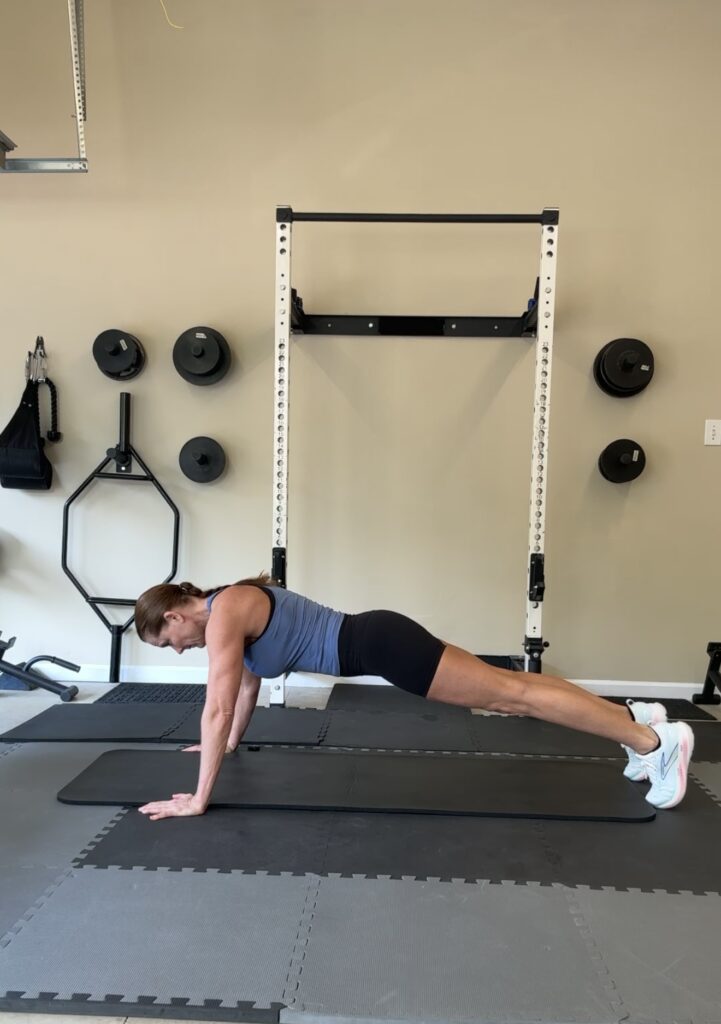
When many people think about core exercises, they picture six-pack abs or endless crunches.
But as a physical therapist, I view core strength very differently.
Your core is much more than the muscles you can see in the mirror. It acts as the foundation for nearly every movement you perform throughout the day.
Whether you’re walking, climbing stairs, lifting your grandchild, exercising, or maintaining your balance, your core plays an important role.
After age 40, maintaining core strength becomes even more important for supporting healthy movement, reducing injury risk, and staying active.
What Is Your Core?
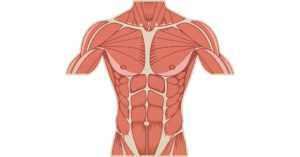
Your core includes several muscles that work together to stabilize your spine and pelvis.
These muscles include:
- Abdominal muscles
- Back muscles
- Pelvic floor muscles
- Diaphragm
- Deep stabilizing muscles around the spine
Together, these muscles help create a stable base for movement.
Think of your core as the body’s natural support system.
Your Core Does More Than Bend You Forward
Your core isn’t just responsible for doing crunches or bending your trunk forward.
It also helps you:
- Stabilize your spine while your arms and legs move
- Control side-to-side movement
- Rotate your trunk
- Transfer force between your upper and lower body
- Maintain your balance during movement
Think about everyday activities.
Walking requires your trunk to remain stable while your arms and legs move.
Carrying groceries requires your core to resist unwanted movement.
Getting up from the floor requires your trunk and hips to work together.
Turning to reach for something requires controlled rotation.
That’s why effective core training should include more than crunches.
Your Core Moves in More Than One Direction
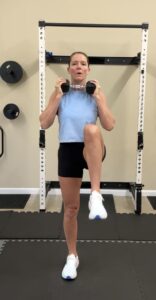
Forward and backward control
Your core helps you maintain control when your arms or legs move.
Example: Dumbbell marching with an abdominal brace.
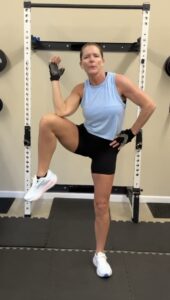
Side-to-side control
Your core helps stabilize your trunk when forces act from the side.
Examples: Side crunches and side bends.
Rotation
Your core helps control turning and diagonal movements.
Examples: Cross-body crunches and controlled trunk rotations.
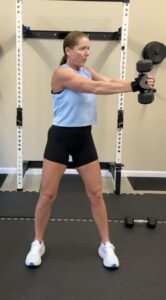
Your core doesn’t just flex forward—it helps you stabilize, control side-to-side movement, and rotate. Training all three can help make your core stronger and more functional.
Why Core Strength Matters After 40
As we age, muscle mass naturally declines if we don’t actively maintain it.
A strong core helps support:
Better Balance
Your core helps keep your body stable when standing, walking, and changing positions.
Improved core strength can help support balance and reduce the risk of falls.
Improved Posture
Many adults spend hours sitting each day.
Weak core muscles can contribute to poor posture and difficulty maintaining an upright position.
A stronger core helps support better alignment during daily activities.
Easier Everyday Movement
Core muscles help transfer force between your upper and lower body.
Activities such as:
- Carrying groceries
- Lifting objects
- Getting up from the floor
- Climbing stairs
all rely on core stability.
Support for Exercise Performance
Whether you’re strength training, walking, using resistance bands, or practicing mobility exercises, your core helps create a stable foundation for movement.
A stronger core often leads to more efficient movement patterns.
Core Strength and Back Health
One of the most common reasons people begin focusing on their core is back discomfort.
While core exercises are not a cure for every back problem, strong core muscles help support the spine during daily activities.
This is one reason core training is often included in rehabilitation and injury-prevention programs.
As always, individuals experiencing significant pain should consult a healthcare professional.
Common Core Training Mistakes
Many people think core training means doing hundreds of crunches.
In reality, effective core training often focuses on stability and control.
The goal is not simply to move more—it is to move well.
PT-Recommended Core Exercises
1. Dumbbell Marching
Targets: Core stability
Brace your abdominal muscles while slowly lifting one foot at a time without allowing your trunk to sway.
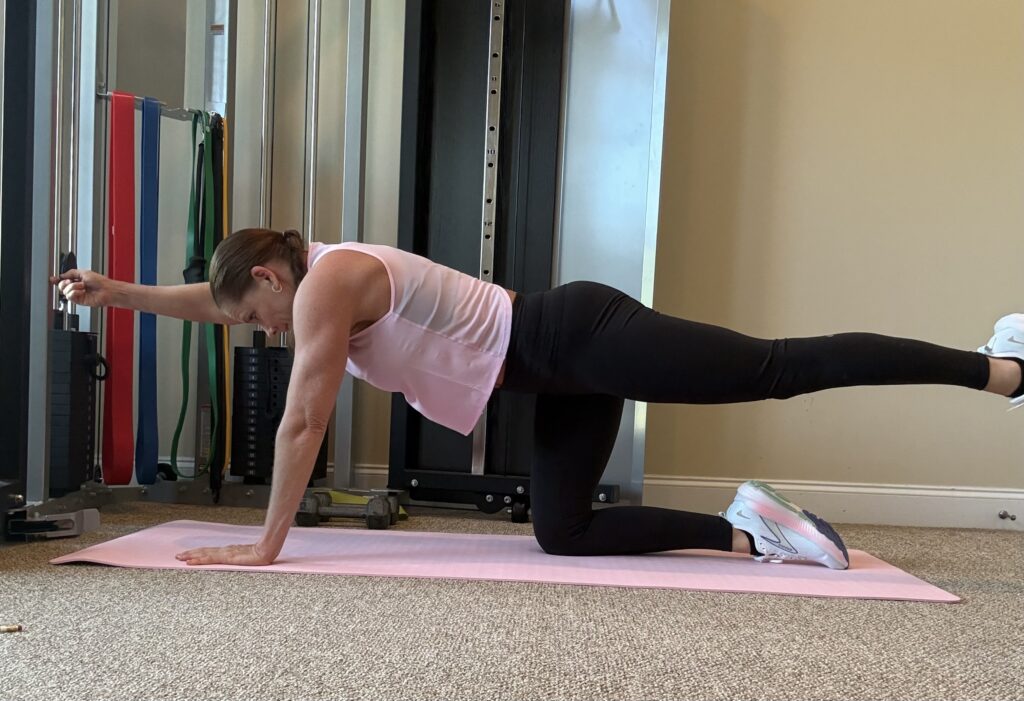
2. Bird Dog
Targets: Core stability and coordination
From hands and knees, extend the opposite arm and leg while keeping your trunk steady.
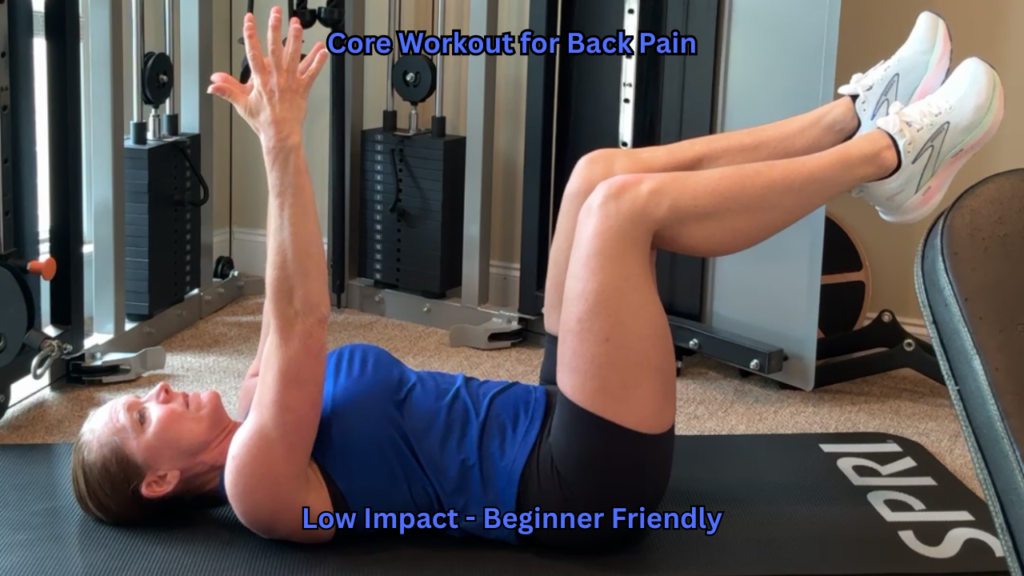
3. Dead Bug
Targets: Core control
Lower the opposite arm and leg while maintaining control of your trunk and avoiding excessive arching of your lower back.
4. Side Crunch
Targets: Side-to-side core strength
Use controlled movement to bring your rib cage and hip closer together without relying on momentum.
5. Dumbbell Side Bend
Targets: Lateral core strength
Hold a dumbbell at your side and slowly bend your trunk sideways, then return to an upright position with control.
6. Dumbbell Cross-Body Crunch
Targets: Diagonal core control
Bring the dumbbell toward the opposite side of your body using controlled movement rather than momentum.
7. Controlled Trunk Rotation
Targets: Rotational core strength
Rotate your trunk through a comfortable range while maintaining control and avoiding excessive movement from the lower back.
Want More Core Exercises? Ready For the Next Challenge?
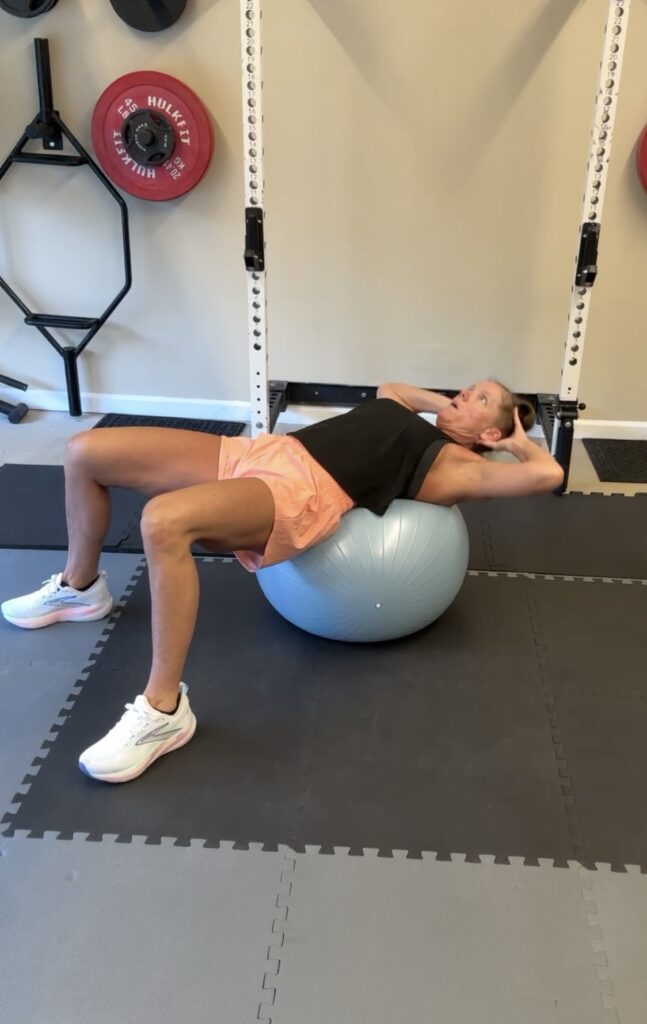
Once you’ve mastered the basics, your core training can progress too. I’m building a guide that takes you from beginner-friendly exercises to more advanced core training using tools like a stability ball, suspension trainer and more.
💪 Shop My PT-Approved Strength & Stability Essentials
As an Amazon Associate and Amazon Influencer, I earn from qualifying purchases. Thank you for supporting Total Body Wellness at no additional cost to you.
Building core strength doesn’t require endless crunches or expensive gym equipment. As a Doctor of Physical Therapy, I recommend focusing on exercises that improve strength, stability, and confidence with everyday movement. I’ve curated my favorite strength and stability tools that I personally use and recommend to help you build a stronger, more resilient body at home.
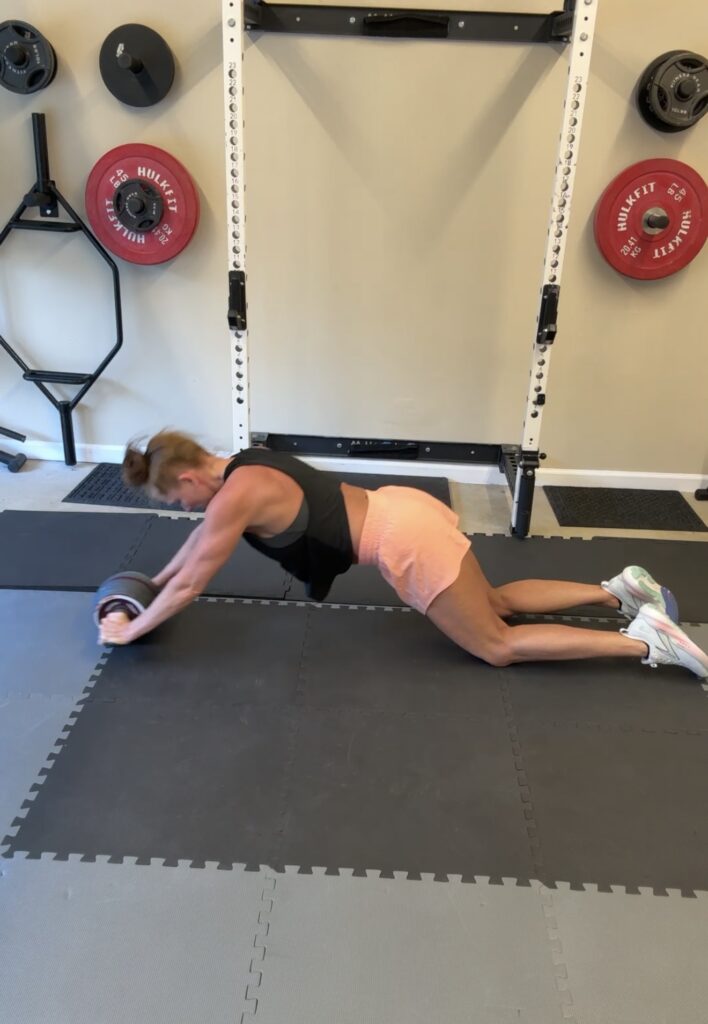
Want to Build a Stronger, More Active Body?
Why Strength Training Matters After 40
Strength training helps preserve muscle mass, improve function, and support healthy aging.
Strong & Active After 40
Ready for a complete plan? Explore my PT-designed strength, stability, mobility and recovery system.
Mobility vs Flexibility: What’s the Difference?
Learn why strength, stability, and mobility all work together to support better movement.
Best Exercises for Lower Back Pain (Beginner-Friendly & Physical Therapist Approved)
Discover beginner-friendly exercises that may help support back health and movement.
Free PT-Approved Home Gym Starter Kit
Download my free guide featuring PT-approved equipment recommendations, beginner workouts, and recovery tools.
Final Thoughts
Core strength is about much more than appearance.
A strong core supports balance, posture, movement, exercise performance, and overall function.
After 40, maintaining core strength can help you stay active, independent, and confident in everyday life.
The good news is that you don’t need complicated workouts to get started.
Small, consistent efforts can make a big difference over time.
Pingback: Best Exercises for Lower Back Pain (Beginner Friendly & Physical Therapist Approved) – Total Body Wellness
Pingback: Why Your Shoulder Hurts: A Physical Therapist’s Guide to Better Movement – Total Body Wellness
Pingback: How to Improve Your Posture After 40: A Physical Therapist’s Guide – Total Body Wellness
Pingback: Getting Up From the Floor Getting Harder? A Physical Therapist’s Guide to Strength, Mobility & Safe Recovery – Total Body Wellness
Pingback: Core Exercises: How to Progress From Beginner to Advanced – Total Body Wellness